Marsha: The Joy and Defiance of Marsha P. Johnson by Tourmaline – 5⭐
“No pride for some of us without liberation for all of us.”
Marsha P. Johnson
I picked this book up because the non-fiction book I’d chosen for June — Stonewall: The Riots That Sparked the Gay Revolution by David Carter — ended up making me feel a few different ways, and none of them were good. So I needed something to replace the slightly icky feeling. Queue Marsha Pay-It-No-Mind Johnson.
I learned about Marsha when I first learned about the Stonewall Riots, but I didn’t know a huge amount about her besides that she was involved in the aftermath of the police raid on The Stonewall Inn on 28 June 1969. Unsurprisingly, Marsha’s role in the beginning of the “gay revolution” was a very small part of a very big life.
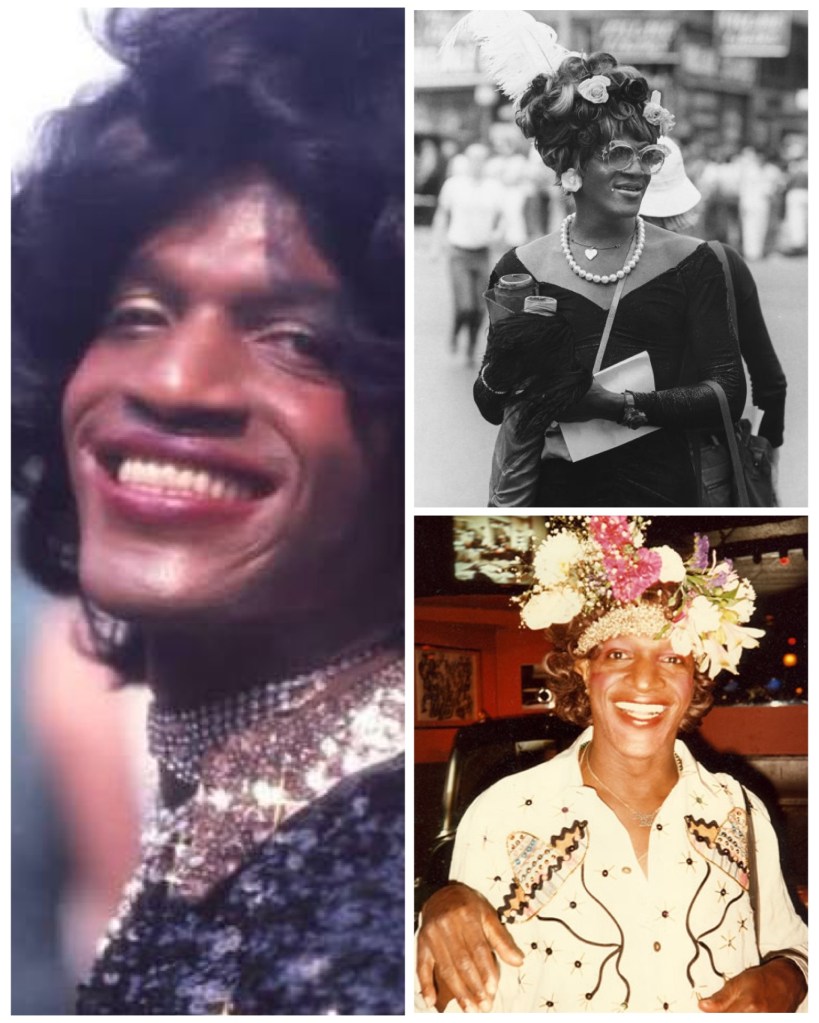
There is a lot that you could focus on with the story of Marsha, she was like most of us, incredibly complex. She struggled with her mental health, and definitely was not in the position to get the care she needed and deserved. What really struck me about her though, was that despite all her own struggles, she fought fiercely for all those in the LGBTQIA+ community. Even when some of those within that community didn’t support her, or those in the Trans community.
The truly extraordinary stories about her are those around the care she gave her community during the AIDS/HIV crisis. Certain types of people will continue to question her role in the Stonewall Riots, they can use her own words, and recollections during times she was vulnerable, against her. But what they can never question is the care she gave those who were dying unimaginable deaths, at a time when those dying were so cruelly discarded by most of society. I’m often told about the care that Lesbians provided to Gay men during this time, but I hadn’t realised the role that the Trans community had during that time.
I’m ashamed to say that care work isn’t something I thought much about from a political perspective. Tourmaline mentions Miss Major, and her insight as to how care work is, at its roots, activism, and it sent me on a journey.
“Care work reveals the intersecting inequalities embedded in our societies and economies. Essential to our societies, this type of work sustains families, communities and entire economies by enabling us to live and to work. Yet, under capitalist systems, care is systematically undervalued precisely because the dominant economic logic prioritises activities that generate direct profit, bestowing value through a framework shaped by market logic. Care, by contrast, is relational, long-term and often invisible – making it easier to dismiss as non-productive. Undervaluing care work is economically profitable. It allows States to cut social spending by outsourcing care responsibilities to families, and in turn, families to outsource that labour to underpaid workers – most often migrant and racialised women. The less care is recognised, regulated and compensated, the more it subsidises the rest of the economy.”
The Trans communities commitment to care during the AIDS/HIV crisis feels like an act of resistance. Marsha’s commitment to those she loved during that time feels like an act of resistance. An especially powerful form of resistance, given that during that time — and unfortunately during our present time — Marsha and her Trans peers were marginalised within an already marginalised community.
I think the care Marsha gave those around her came at a great cost though, she was already mentally fragile, and seeing everyone around her suffer before they died, likely contributed to her poorer mental health near the end of her life. Her own diagnosis and knowing what was ahead, also likely didn’t help her mental state. I can’t even begin to quantify the courage it must have taken to continue helping her community after each loss!
“They call me a legend in my own time, because there were so many queens* gone that I’m one of the few queens left from the ’70s and the ’80s.”
Marsha P. Johnson
There are a lot of positives to take away from this book, but the one I’ll be thinking about for a long time to come, is Marsha P. Johnson’s selflessness within her community, a community that often didn’t treat her as the treasure she was.
*Since the term transgender wasn’t used during Marsha’s time, she identified as gay, transvestite, and as a drag queen, using the pronouns she/her.

Marsha
Amazon UK
As previously mentioned, my original non-fiction pick for June was Stonewall: The Riots That Sparked the Gay Revolution by David Carter.
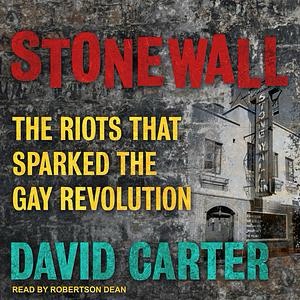
Stonewall: The Riots That Sparked the Gay Revolution by David Carter
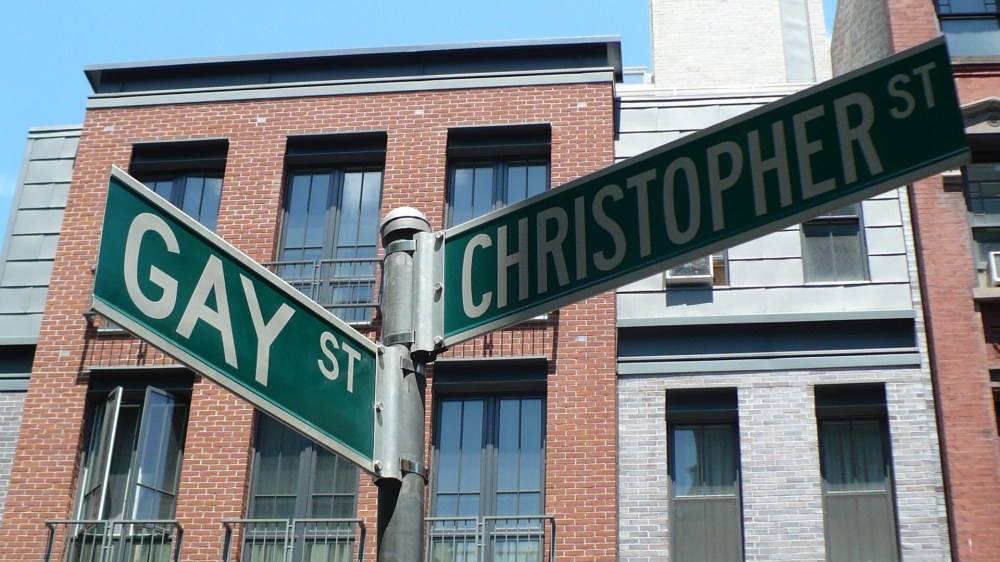
So this book started out really strong! Part 1: Setting the Stage, did a great job in doing just that. The history of Greenwich Village, Christopher Street, and the Stonewall Inn was fascinating, it felt really well researched, and I feel like I learned a lot. Part 1, also set the stage with a very in-depth history of gay rights (or lack thereof) in the US, and New York, in the runup to the riots. While I suspected things were bad, David Carter did a good job of highlighting just how dire it was for Queer people during this time. I know there aren’t many modern societies where being Queer wasn’t dangerous at some stage, but the US really outdid itself — and unfortunately still does — at feigning moral superiority.
“Throughout the 1950s and 1960s, the Federal Bureau of Investigation (FBI) and police departments kept lists of known homosexuals and their favored establishments and friends; the U.S. Post Office kept track of addresses where material pertaining to homosexuality was mailed. State and local governments followed suit: bars catering to gay men and lesbians were shut down and their customers were arrested and exposed in newspapers. Cities performed “sweeps” to rid neighborhoods, parks, bars, and beaches of gay people. They outlawed the wearing of opposite-gender clothes and universities expelled instructors suspected of being homosexual.”
Moral laws? Really? I’ve said it before, and I’ll say it again, whoever did the PR for the US when trying to get people to help colonise it, should win an award for the greatest bullshit artist ever, because that whole ‘land of the free, home of the brave’ thing was — and still is — the greatest crock of shit. The US will only ever be a utopia for straight cis white men, and I’ll never be convinced otherwise!
Sometimes though, sometimes some light will peek through all the faux moral outrage, and we see beautiful acts of rebellion, rebellion that can usher in real change, not just change in the US, but change that can become global. The Stonewall Riots were such an act.
“It is as if on the morning of June 28, 1969, America symbolically got back the anger she had created by her neglect of her most despised children: the fairies, queens, and nelly boys she had so utterly abandoned, saying she did not want them.”
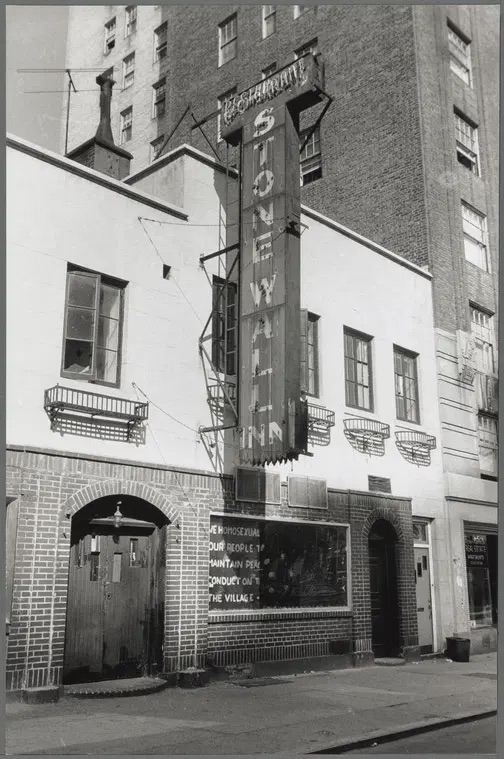
Unfortunately this was the part of the book where David Carter began to lose me!
Carter interviewed people who were at Stonewall on the night of June 28, so we get lots of first hand accounts of what happened, and who was there — but see there are some caveats. Of the roughly 200 people that were reported to be there that night, Carter interviewed 19 people, and from what I could gather, all of those 19 people were cis white men. And I didn’t get the impression that any of those cis white men were street queens, street queens who were most definitely there, and by accounts in this very book, were heavily involved in what happened!
Now here is the thing, this book was written over 30 years after the riots, and unfortunately it’s highly likely that a large number of those who were there on that night, died due to AIDS related illnesses within that time. The most vulnerable of those people were the street queens. I feel like this is where what I can only see as whitewashing begins. I don’t think that it was wholly intentional, or at least I thought that until the conclusions. Those who were Queer and were interviewed, seemed to have been heavily involved in the movement after the riots. And even I, an Irish straight cis white woman, know that a lot of people in those organisations weren’t exactly welcoming to certain types of Queer people. Trans people for example! Black Trans women in particular!!
Now I know the term ‘history is written by the victors’ gets thrown around a lot, and the recording of historical events are much more nuanced than that, but in this case it really does feel a bit like ‘history was written by those who were the only ones left to tell it’ and I fear that those left had a certain view on what way those involved in Stonewall, and what came after, should be recorded.
I’m not saying that those who were interviewed lied, and I’m not even saying that Carter was biased — although it kind of felt like that — but by stating in the conclusion that the riots were started primarily by cis white men, based on the interviewing of only cis white men, I got very ‘only the good Gays’ were involved vibes.
And what do I mean by ‘only the good Gays’ you may ask? Well to be frank, I mean ‘conservative’ Gays. The ‘I’m Gay, not Queer’ kind of people.
I’d been trying to work out what it was that was making me uncomfortable about the whitewashing while reading this, and I couldn’t put my finger on it. Then at the very end of Pride month, The New York Times published an opinion piece by Matthew Vines titled ‘I’m Gay, Not Queer. It Matters’, and that perfectly encapsulated the feelings I got while reading this book. It felt like there was an ‘othering’ of those who didn’t fit the narrative — the trans people, the BIPOC, the lesbians, the street queens, and hustlers — they became almost a footnote in this book.
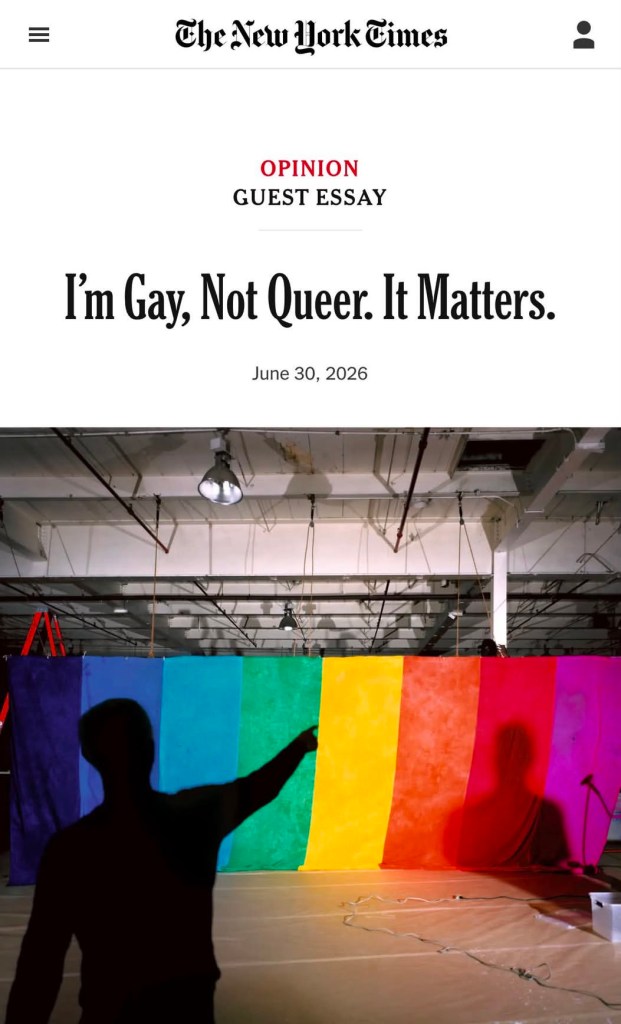
Again, I don’t think there is outright lies here, but I think there is a lack of nuance in regard to what happened that night. I believe those who were interviewed believed that they were the only catalyst for the beginning of a movement. That does not make it true, and it does not discount all the many other accounts of that night. Accounts like the Lesbian being detained, the street queens squaring off with police, the ones that recount Trans women being there that night. Accounts Carter actually retells, but then for some reason in the conclusion totally discounts in favour of cis white men. It’s mind boggling!
So I was already a little tetchy, but then…
Oh but then…
The copaganda!!!!!
Now, I was getting a slight sniff of it when Carter was recounting what was happening when the cops were trapped inside the Stonewall Inn. That sniff was coming from how the author recounted the actions of Deputy Inspector Seymour Pine. It felt like Pine was getting praised for doing his actual job and ensuring that his officers *NOT* shoot people. I’m sorry, was that not what this man was being paid to do? Serve and PROTECT?!?!
So the sniff was there, but nothing could have prepared me for the praise that man got in the conclusion!
I refuse to believe that this man, who served in the military, and was in the police force and served out of a precinct notorious for harassing Queer people, was not in some way homophobic at that time. He may well have grown as a person as the years went by, but at that time, I have a hard time believing that we was not harassing Queer people, when harassing Queer people seemed to be de rigueur for police officers at that time. But according to the conclusions that’s not the case! Pine’s story remained consistent throughout his life you see, and well some tourists who spoke to Pine when you lived in Israel in the 1990’s backed that up. So you see, there is no way that Pine was a bad guy. A member of the police force would never lie you see! *massive side-eye*
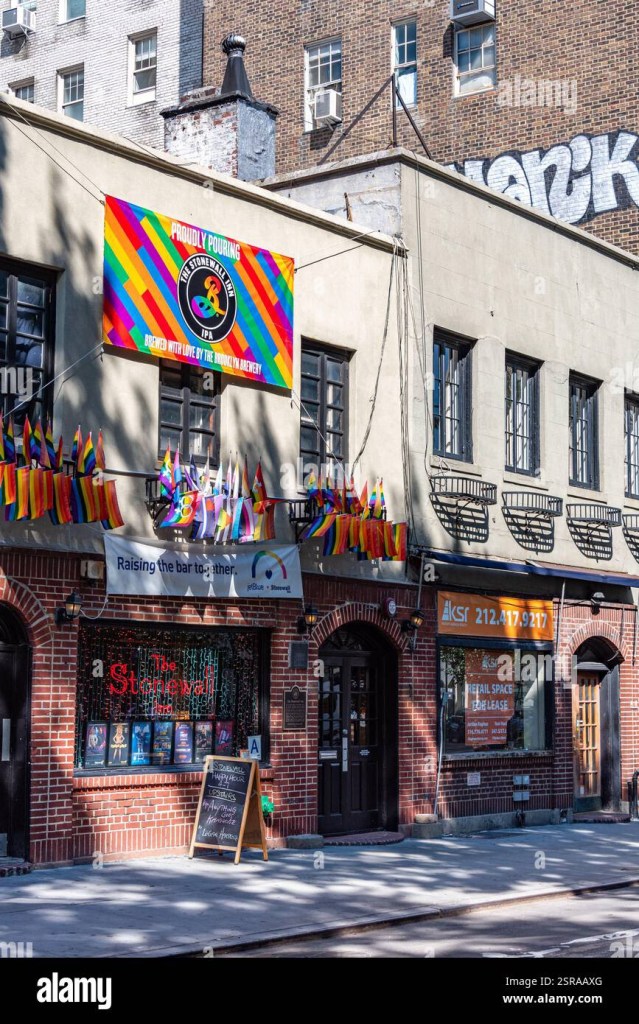
I feel like the conclusions in this book were just not needed. This piece of work apparently took over 10 years, and while it was certainly guilty of whitewashing and copaganda within the body of the work, it was never as blatant as it was in the conclusions, and it quite frankly ruined any of the research that came before. I don’t feel like I can trust the accounts in this book now. Luckily there is any number of other accounts of what happened at the Stonewall Inn on 28 June 1969, and even though we are living in what feels like an uncertain time for our LGBTQIA+ communities — especially in the US — The Stonewall Inn and those that stood up to oppression that night, and the nights that followed, will continue to be symbols of the power of rebellion!
And, to all my beautiful Queer lovelies out there, please always remember — you are valid, you are important, and you are loved! 😘🏳️🌈



One Comment Add yours