How to Say Babylon by Safiya Sinclair – 5⭐
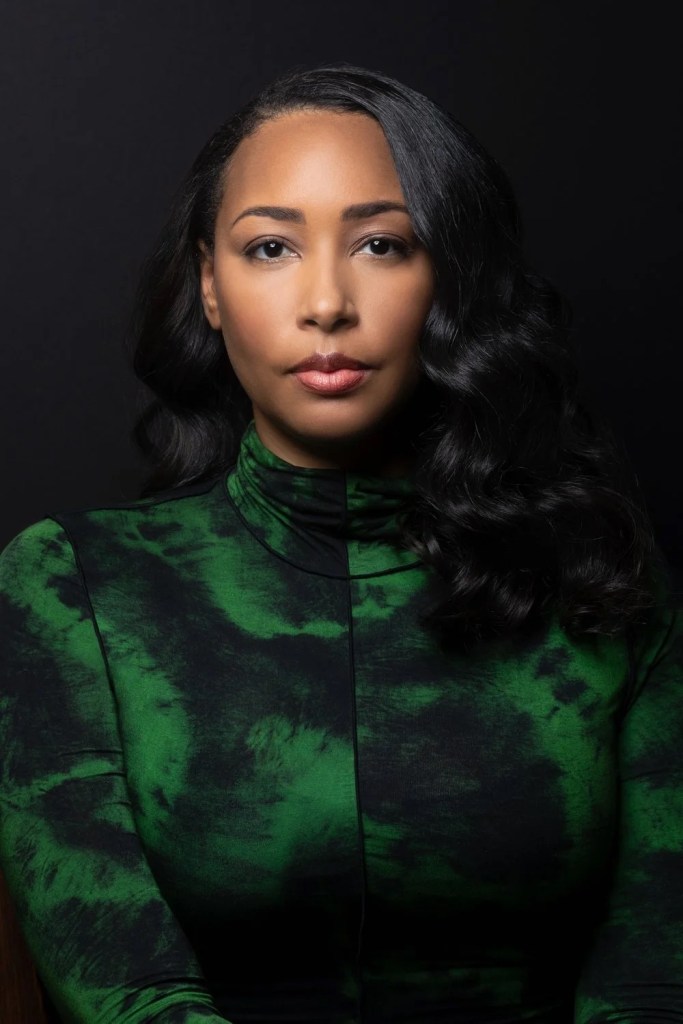
“Memory is a river. Memory is a pebble at the bottom of the river, slippery with the moss of our living hours. Memory is a tributary, a brackish stream returning to the ocean that dreamt it. Memory is the sea. Memory is the house on the sand with a red door I have stepped through, trying to remember the history of the waves.”
This book was absolutely outstanding! If I hadn’t known that Safiya Sinclair was a poet before I picked this book up, it would have taken about half a paragraph to figure it out. Her writing is lyrical, the prose are stunning, and the whole book reads like a book of poetry. The depth of those prose doesn’t make for easy reading, but the payoff is worth the effort. This book took me to Jamaica, the author invited me into her home and it felt like I stood in the rooms she talked about, she introduced me to her family, and I felt like I could reach out and touch them.
Sometimes those interactions were beautiful, like Sinclair describing her mother and her aunts on the beach where her mother was from, but there was a lot of the interactions that were very upsetting to witness. About 95% of those interactions involved Sinclair’s father.
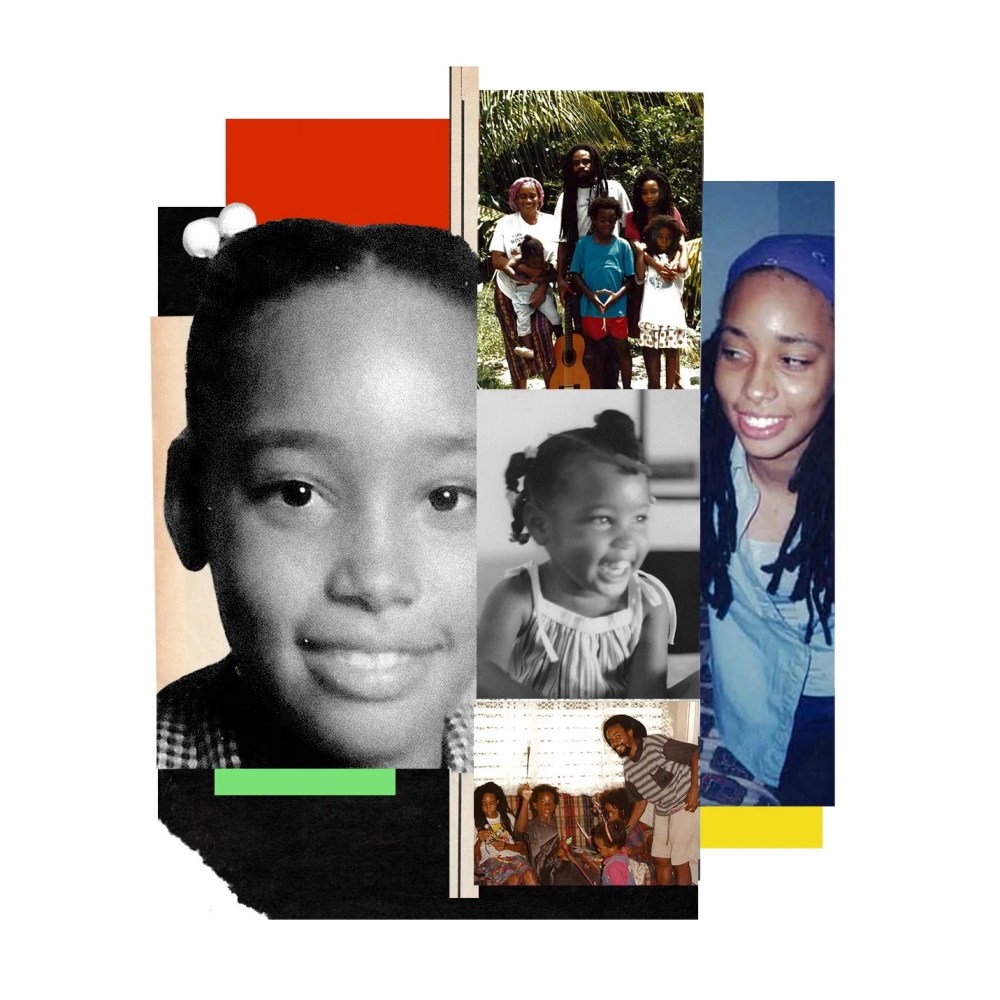
This book is essentially about religious trauma, the religion in question being Rastafari. I knew very little about Rastafari before picking this up. I read When We Were Birds by Ayanna Lloyd Banwo last year (another beautifully written book that I highly recommend), which had a Rasata MCC and touched on the ostracism people who practiced the religion faced. Sinclair really dug into the history of Rastafari, and again, it felt like I was standing on the runway at Palisadoes Airport when Haile Selassie landed in 1966.
Religion is a tricky business for me! I personally feel like all religion is used as a way to control people, women in particular, and as a result religion often causes a huge amount of damage, and has done so since the dawn of its existence. Rastafari is no different I’m afraid, lots of misogyny and control. Rastafari is also a religion of a colonised people though, the religion of a people descendant from slaves, it doesn’t excuse the parts of it that are problematic, but I can also see why it would appeal to people who have trauma imprinted on their DNA. Belonging is one of the things that is so attractive about religion, and Rastafari certainly foster’s that sense of belonging.
Sinclair’s father suffered a huge amount of his own trauma throughout his life, he was therefore perfectly placed to find a place within Rastafari. I also think he had some severe mental health problems, and those mental health problems, coupled with Rastafari, created a ‘perfect storm’ for him to cause his entire family various trauma. Thankfully, education, and eventually the power of her mother, helped free all the Sinclair children.
“The more of this world I had discovered, the more I rejected the cage my father had built for me. There, in her frayed outline, I saw it, finally: If I were to forge my own path, to be free to make my own version of her, I had to leave this place. If I were to ever break free of this life, I had to run. But how would I ever find my way out? How would I know where to begin? Here, in the same hills that had made my father, now sprung the seed of my own rebellion.”
Something that is contradictory in this story is the importance both Sinclair’s parents put on education! One of the big rules in high control religions is making sure those who are being controlled have as little an education as possible, highly educated people are much more difficult to control after all. All the Sinclair children were extraordinary. They of course did all of that work themselves, but I also think their mother was a big part of why they were so extraordinary. There is no doubt that Sinclair’s mother was the catalyst for the end of the reign of terror her father inflicted on his family, and she was also a victim of her husbands trauma and mental health, but she also facilitated some of the worst abuse that takes place in this book, and that is hard to reconcile. I think it was hard for Sinclair to reconcile as well, and I feel like she has done a lot of work to forgive her mother for those times she was either unable, or unwilling, to help her and her siblings.
Near the end of this book, Sinclair shares part of a correspondence from one of her professors about her idea to write a memoir back in 2013. He mentions how it could be hazardous for her to attempt it, and that trauma should be remembered and revisited from a place of safety, and it was his belief that she wasn’t in that place at that time. It’s clear that he was very right about that, I think she needed to do a lot of work to get to that place of safety and I’m so glad she did. Writing this book must have been emotionally difficult, but it must have also been incredibly therapeutic. There are parts of the book where you can literally see her healing. It was incredibly emotional, and beautifully conveyed.
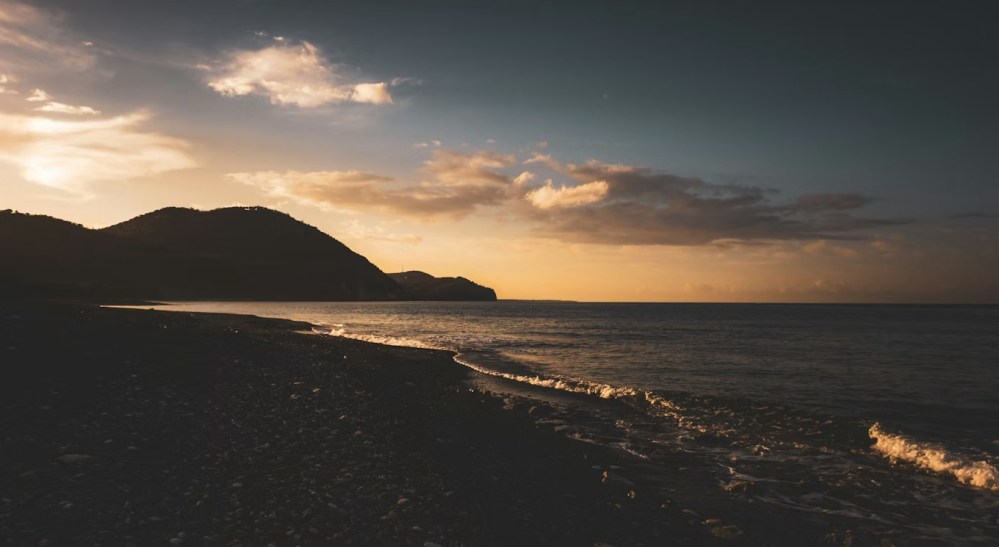
“Behind me, walking into the sea was my smallest self, a baby girl throwing herself into the waves. Behind her I saw my mother, flying in footsteps to pluck me from the water. My mother’s cut foot trailed a red spool of blood in the sand, weaving to the small figure of my mother as a girl, crouched and digging for food, waiting for the sea to offer her something to believe in. Wandering behind my mother I saw her gone mother, watching the sea in a wind-worn dress. Out in the distance was another young woman, and another, each walking beside their own mothers and sisters now, tall women, stern women, a woman whose name I did not know, her upturned face a copper sun, marking me. I bobbed transfixed, neck-deep in waves, watching the women weave and stretch for miles and decades beyond me, beyond and beyond, marking a line that trailed out from our little strip of beach and into the sweltering city, up into the hills and the green backbone of our country. Walking behind her and behind her, I saw them all, the women who had put one foot in front of the other and pushed their hands into the dirt. Women who had survived. The women who made me.”
With one more non-fiction book left to read this year, I think it’s safe to say that this was my number one non-fiction read of the year. I think it might also be high up in the rankings of all the books I read this year. In fact, it could be high up in the rankings of all time books I’ve read. It was utterly beautiful and poignant and is a must read! This is the kind of book that I could see on school syllabus. It’s a masterclass in the use of poetic language to tell difficult stories.

Amazon UK

 mindforbooks.ie
One Comment Add yours